Smoke Odor and Soot Removal
- Home
- Smoke Odor and Soot Removal
- FIRE RESIDUE CLEANING
Target Smoke Residue and Odor at the Source
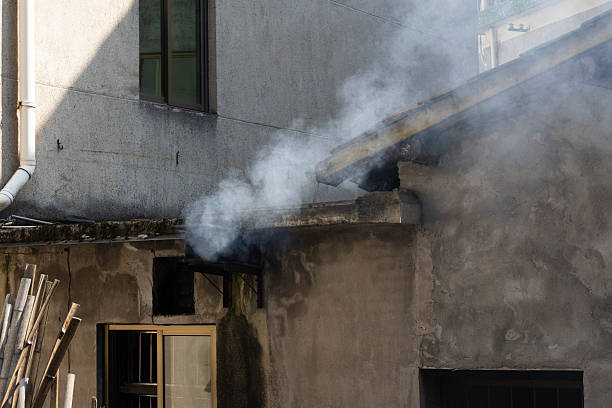
Smoke particles and soot can settle on walls, ceilings, furnishings and HVAC-related surfaces throughout a property. Residue characteristics vary by fuel source and fire conditions, so effective cleaning requires an evaluation of both the contamination and affected materials.
TRC uses material-appropriate cleaning and deodorization methods and coordinates selective removal when porous items cannot reasonably be restored. Air treatment methods, if used, are selected for the site and operated with applicable occupant-safety safeguards.
- FIRE RESIDUE CLEANING
Service Highlights
Residue Evaluation
Assess soot distribution, surface conditions and affected contents to establish a practical cleaning strategy.
Detailed Cleaning and HEPA Controls
Use appropriate vacuuming, dry or wet cleaning methods and controlled work practices to avoid spreading residue.
Deodorization and Material Decisions
Address remaining odor sources with suitable methods and determine when items or materials require removal or replacement.
- FIRE RESIDUE CLEANING
Odor Control Depends on Removing Residue
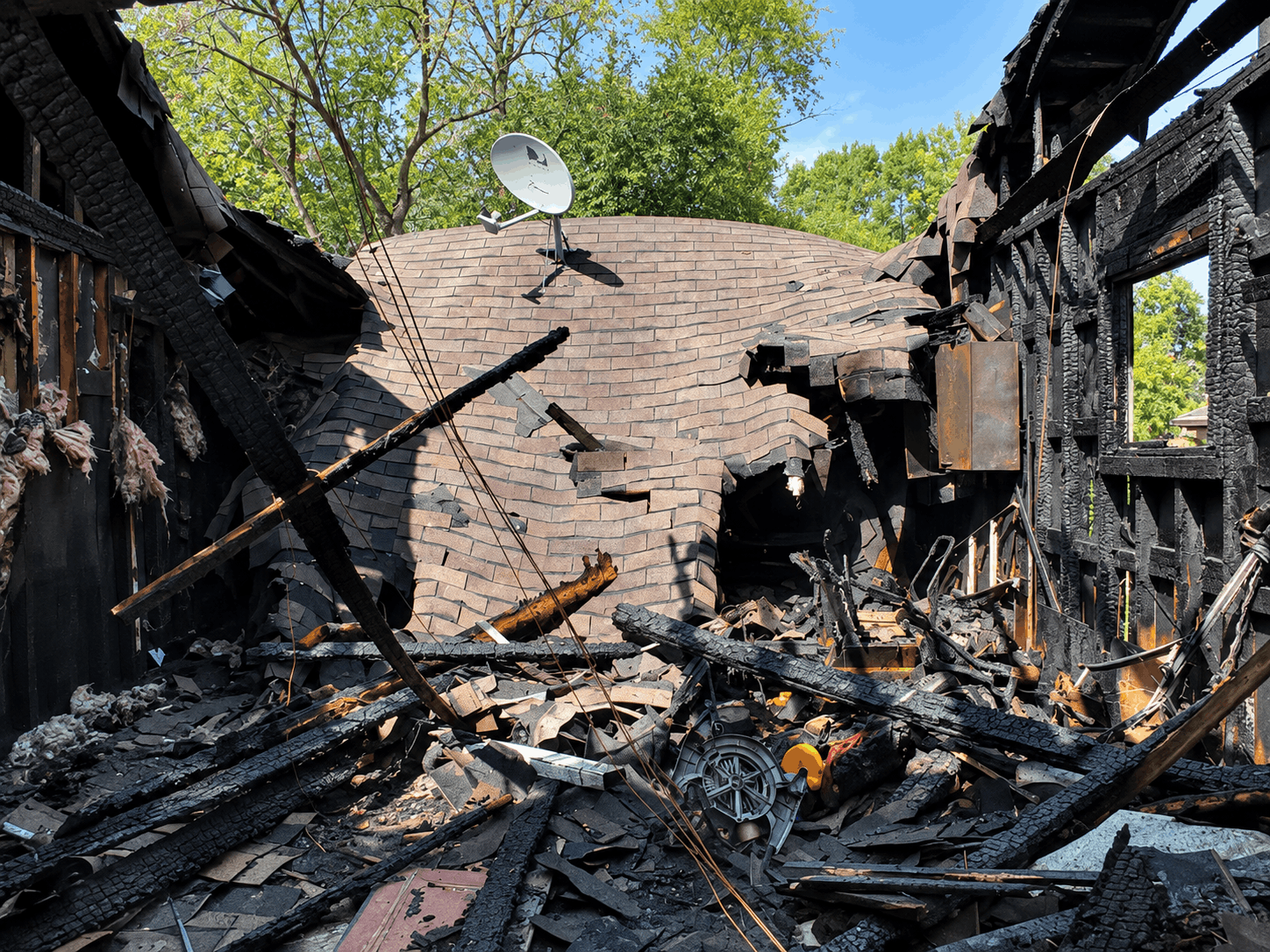
Smoke odor can persist when contaminated porous materials, cavities or contents remain untreated. Deodorizers alone may not solve the underlying problem.
TRC coordinates cleaning, contents handling, HVAC specialist services and rebuild work so the structure is addressed as a whole.
- FIRE RESIDUE CLEANING
Benefits of Professional Smoke Odor and Soot Removal
- Fire-residue condition assessment
- Surface-specific soot cleaning
- Appropriate deodorization planning
- Contents recovery coordination
- HVAC review when warranted
- Integration with reconstruction
Get Started
Contact TRC to discuss your property, current conditions and the appropriate assessment, emergency response or contracting services. Availability and scope will be confirmed for your location.
