Contamination Removal
- Home
- Contamination Removal
- HAZARD-SPECIFIC RESTORATION
Contaminated Material Removal With Appropriate Controls
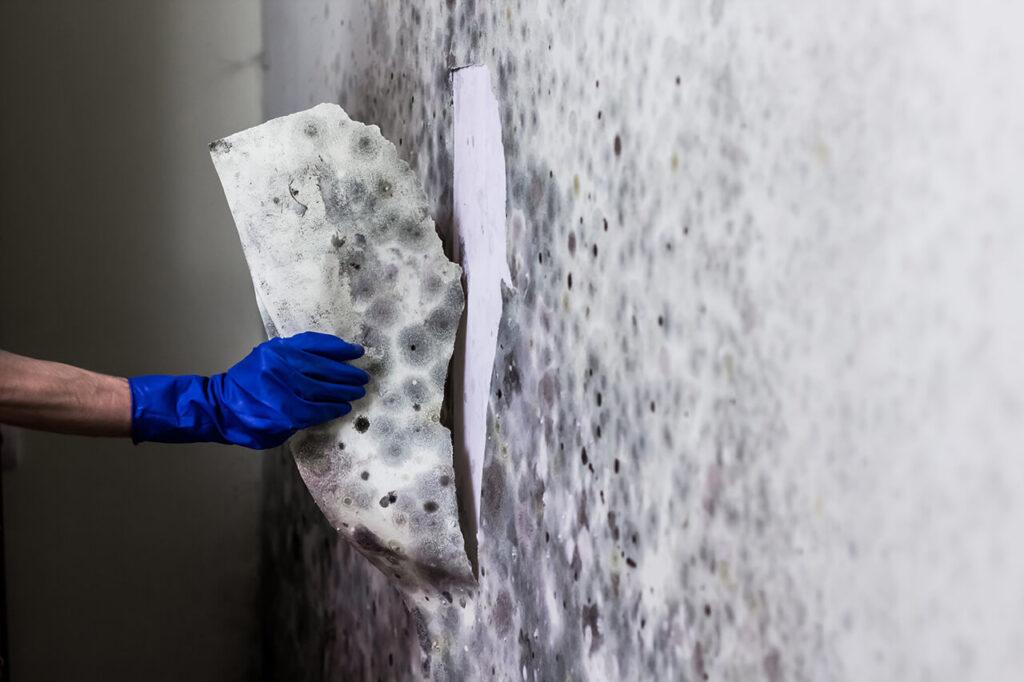
Water, fire, sewage, mold and legacy building materials create different contamination risks. TRC evaluates the conditions of each loss and develops an appropriate removal and restoration plan rather than using the same method for every job.
When asbestos, lead, regulated waste or other specialized hazards may be present, testing, licensing and independent professional services may be required before demolition or cleaning begins. Scope and disposal requirements vary by material and jurisdiction.
- HAZARD-SPECIFIC RESTORATION
Service Highlights
Hazard and Scope Review
Identify known and suspected contaminants and arrange qualified testing or specialist evaluation when needed.
Controlled Removal
Use suitable containment, PPE and work methods to remove affected materials without unnecessarily disturbing surrounding areas.
Waste Handling and Rebuilding
Coordinate legally compliant transport and disposal and proceed with repairs following any necessary clearance or inspections.
- HAZARD-SPECIFIC RESTORATION
Different Hazards Require Different Procedures
Microbial contamination, sewage, lead-containing coatings and asbestos-containing materials are not interchangeable categories. Their handling requirements, potential health implications and permissible work practices differ.
TRC coordinates the restoration sequence with appropriately credentialed professionals and documents the steps needed to return affected building areas to service.
- HAZARD-SPECIFIC RESTORATION
Benefits of Professional Contamination Removal
- Material-specific assessment and scope
- Qualified testing referrals where appropriate
- Containment and worker-protection measures
- Regulated waste-handling coordination
- Documentation for property records
- Integrated repair and reconstruction planning
Get Started
Contact TRC to discuss your property, current conditions and the appropriate assessment, emergency response or contracting services. Availability and scope will be confirmed for your location.
